
50+
Years of ocean research at SINTEF Ocean
48
Publications on the models, 2002–2026
10+
Years of research behind the new VIV model
5.4
Current release, November 2026
What SIMA is
One workbench, from model to report.
SIMA covers the whole process, from defining the simulation to documenting the results. It handles one floating body or many, slender structures such as mooring lines, risers, umbilicals and power cables, and the wind, waves and current around them.

01
Model
Define models in graphical editors where parameters are checked as you go, or import existing models in several formats.
02
Simulate
Run non-linear time-domain simulations on your own machine, or without a GUI on a cluster, and follow progress while they run.
03
Post-process
Build processing chains in a visual editor: filter and combine signals, compute statistics and plot the results.
04
Report
Export text, plots and tables for consistent, up-to-date reporting as your project evolves.
Python, both ways
Build models with simapy, or export any model as Python code.
Runs without a GUI
Run analyses on clusters, on Windows and Linux.
AI Ready
Let your AI agent assist you with modelling and simulation setup.
Application areas
Where SIMA is used
The same workbench is used across the ocean industries. The physics is the same whether the structure is a wind turbine, a fish cage or a crane vessel: a floating system responding to wind, waves and current.
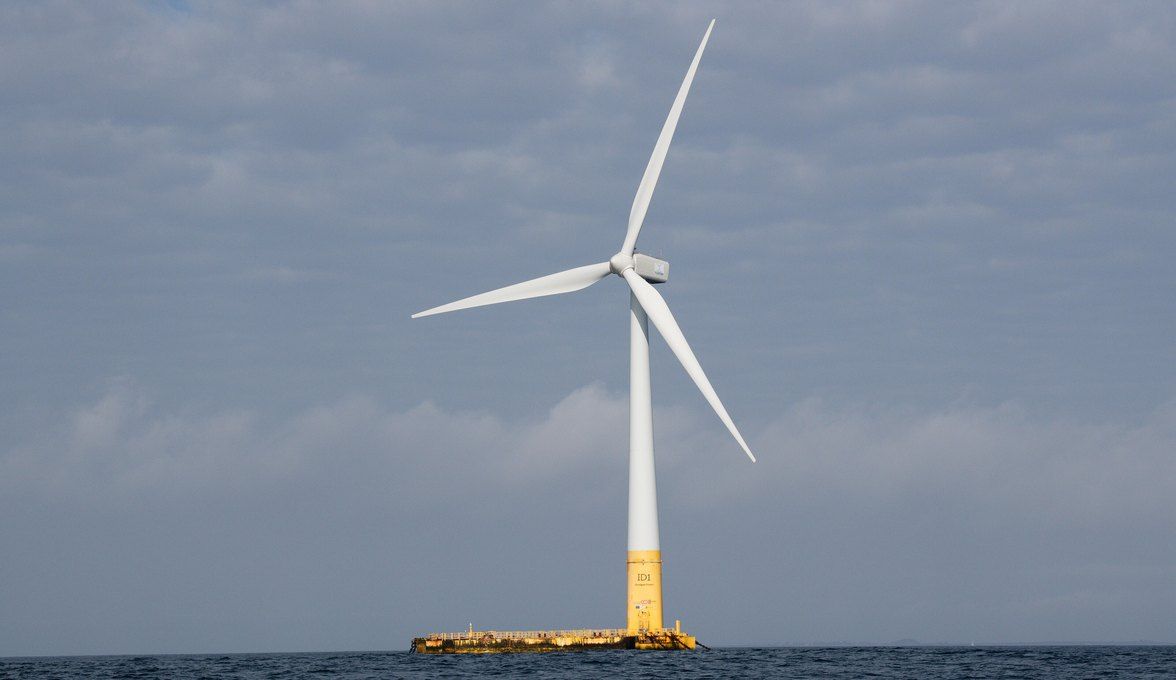
Floating wind
Model fixed and floating offshore wind turbines as one coupled system: flexible blades and tower, the control system, wind loads, floater and mooring, including shared mooring in wind farms.
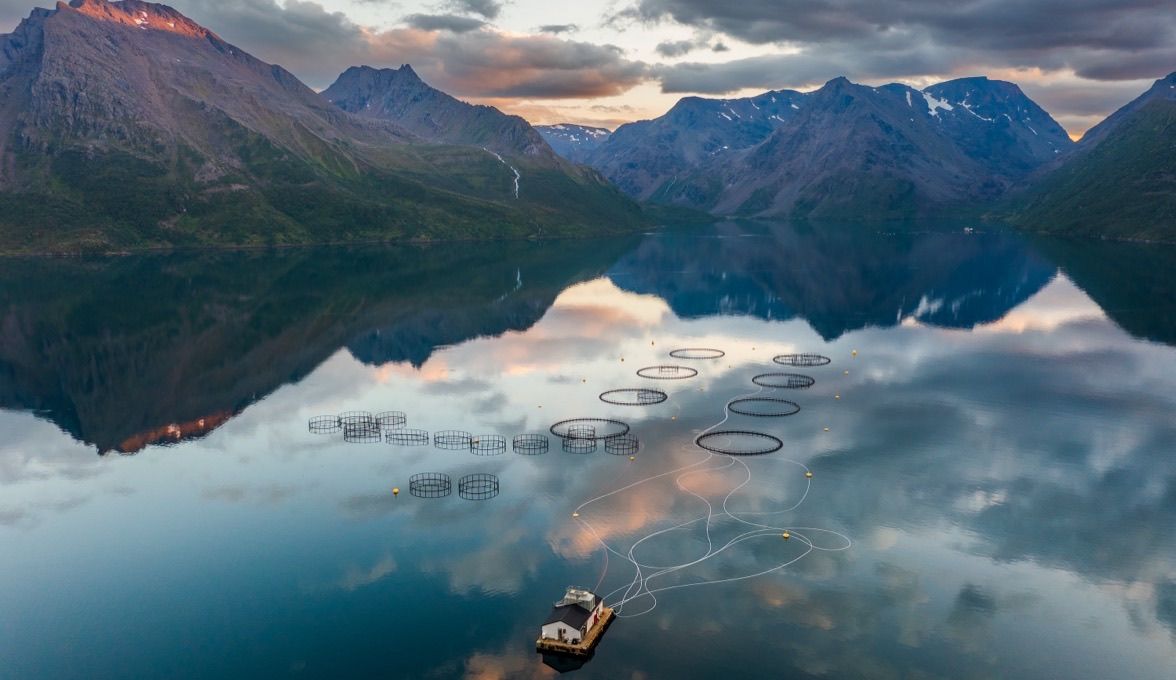
Aquaculture structures
Model floaters, nets and moorings, and vessels working alongside the cages. As fish farms move to more exposed sites, SIMA is used to predict how the whole system moves in current, wind and waves.
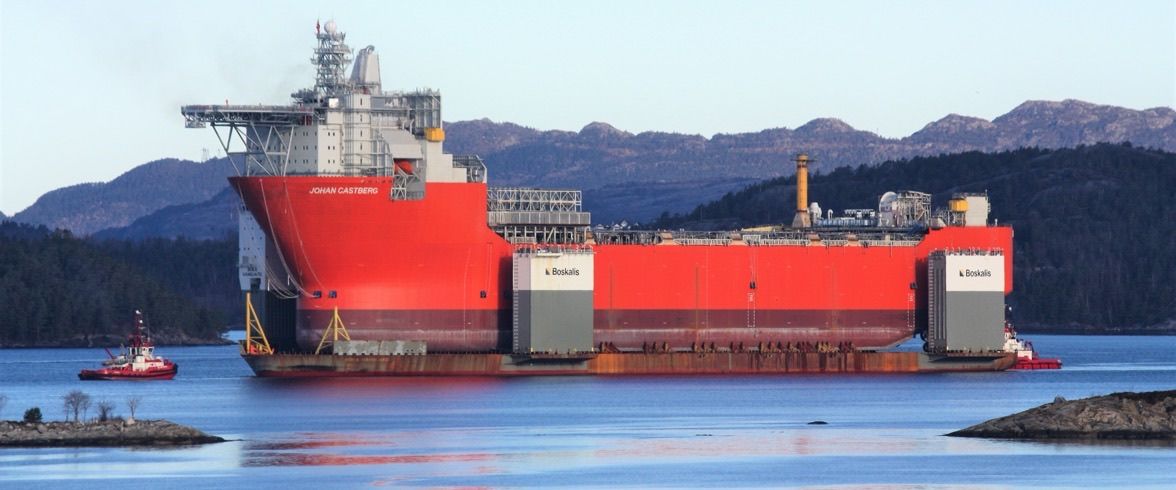
Marine operations
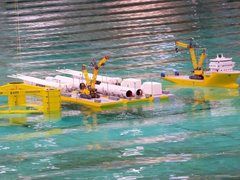
Lifting of topsides, modules and subsea equipment, float-over, towing and crane operations. Run the operation across expected sea states to find the limits before anyone is offshore.
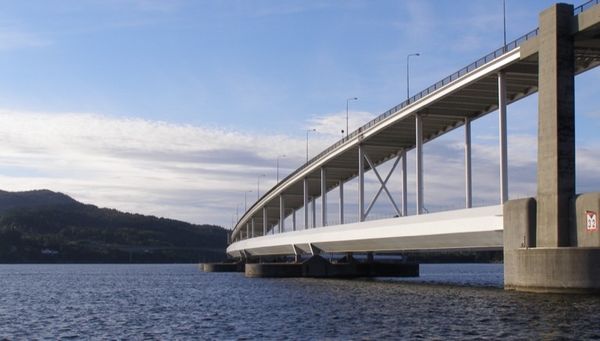
Floating bridges
Analyse long floating structures such as bridges, with pontoons, moorings and their response to wind, waves and current.
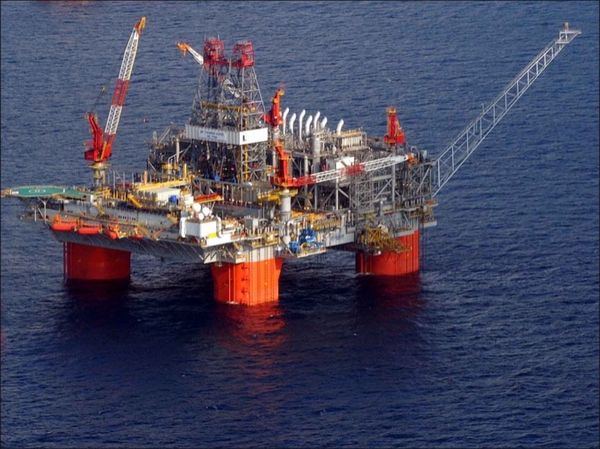
Oil and gas
Station-keeping with mooring and dynamic positioning, global response of risers and umbilicals, and tandem or side-by-side offloading for floating production units.
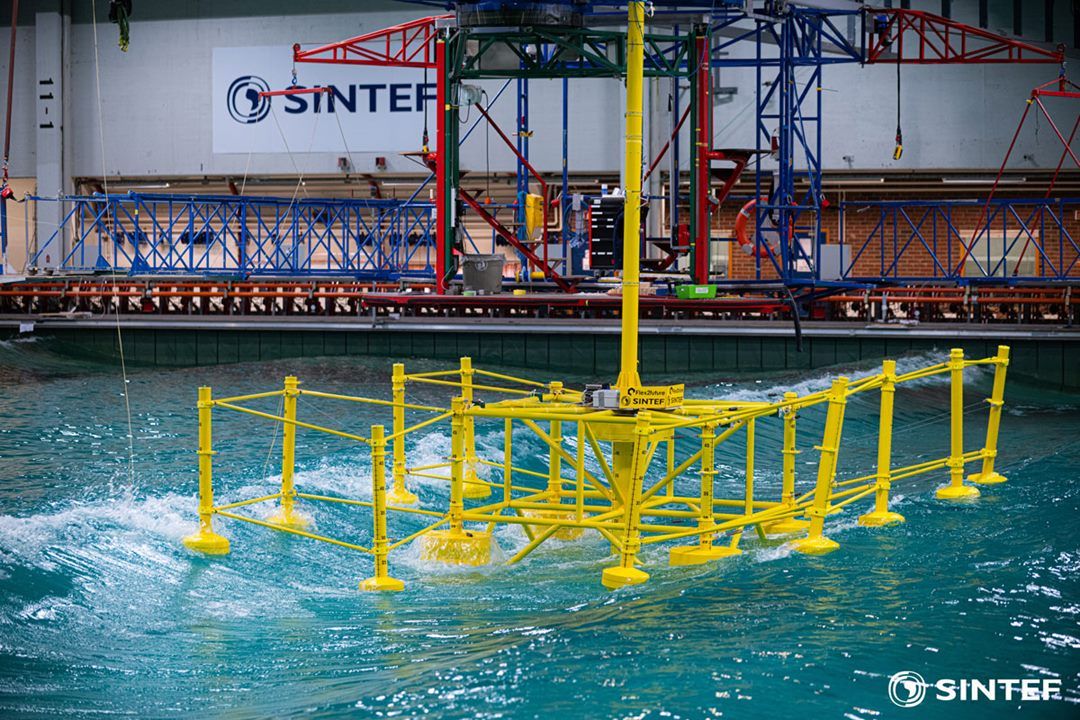
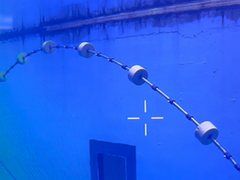
Most of what you build on has been tested in water first.
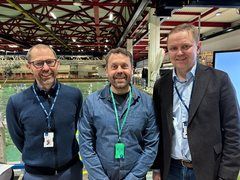
The physics models behind SIMA come from research at SINTEF and NTNU. Most of them have been validated through model tests, and the work is documented in publications anyone can read.
Bibliography ↗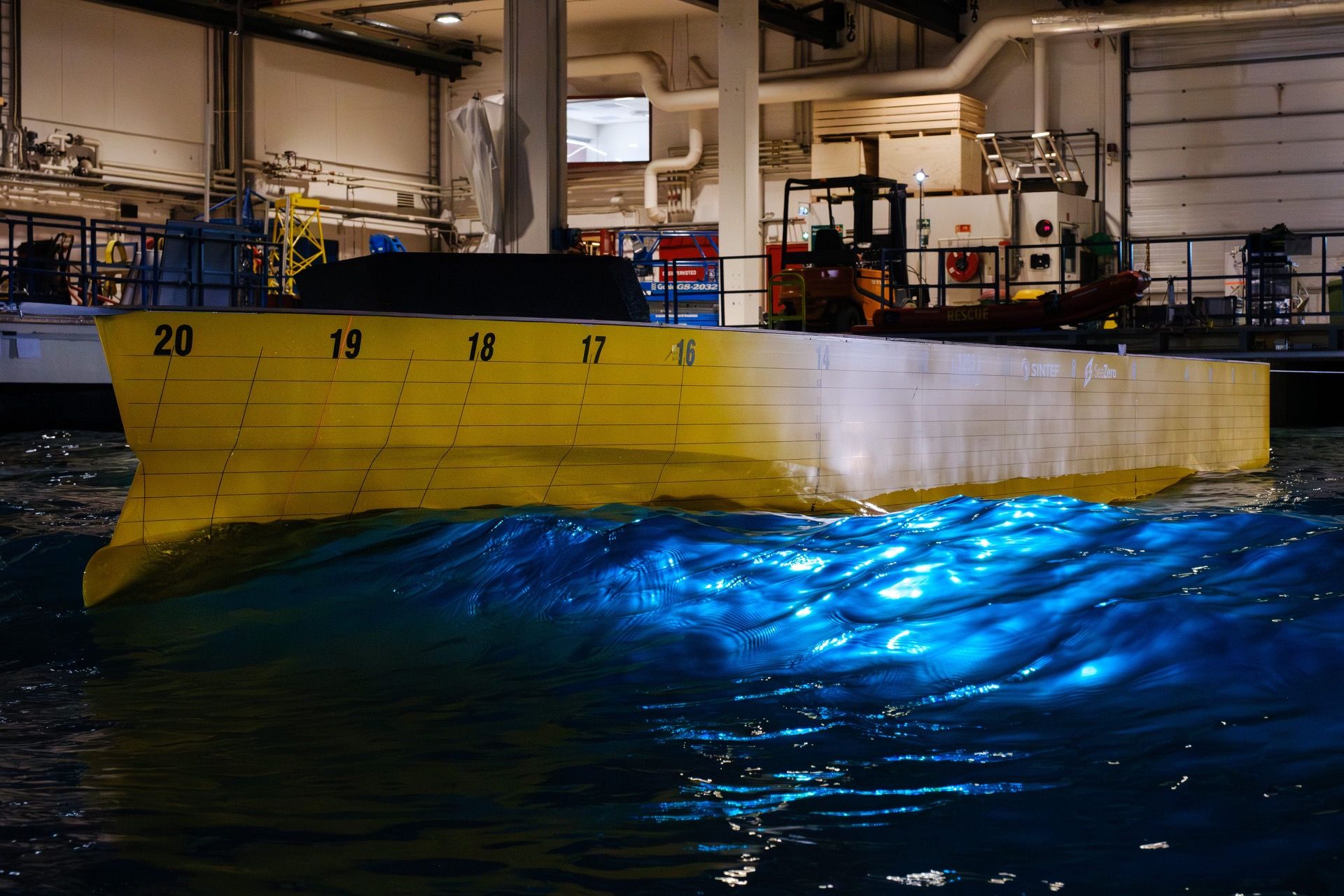
Explore SIMA
Documentation, example models and the Python library are open to everyone. You need a licence to run SIMA.
- DocumentationUser guide, how-tos and release notes
- ExamplesReady-made models for every version
- Python librarysimapy: build models in Python and import them into SIMA
- Video tutorials7 videos, approx. 1 h 40 min
New in SIMA 5.4November 2026
Bladed-SIMA coupling, Run simulations and access results in Python, New 3D visualization engine
Questions
Good to know before you start
SIMA is developed by SINTEF Ocean Software AS and licensed and supported by DNV. Questions about modelling and validation can go straight to the team.
SIMO for multibody time-domain analysis, RIFLEX for slender structures such as risers and mooring lines, and VIVANA for vortex-induced vibrations.
ISO 19901-7 and DNV GL standards. SIMA also works with DNV's Sesam suite for combined hydrodynamic and structural analysis.
The workbench runs on Windows. Analyses can also run without a GUI on Windows and Linux with the SIMA Runtime Engine.
The physics models come from research at SINTEF and NTNU, and most have been validated through model tests. The work is documented in published research.
Coming from OrcaFlex?
Many engineers use both tools. Here is what to expect when you open SIMA for the first time.
Talk to the teamBring your models
SIMA reads OrcaFlex model files (.yml) and builds an equivalent task. The importer is still under development, so treat the result as a starting point.
Rich automation out of the box
SIMA includes powerful tools for model parameterization and post-processing. If you prefer Python, SimaPy lets you run simulations and analyse results with a few lines of code.
Physics tested in water
Most of the models behind SIMA have been validated through model tests in SINTEF Ocean's laboratories.
Licence and contact
Start using SIMA
SIMA is licensed and supported by DNV. Questions about modelling, validation or research collaboration go to the team that develops SIMA.
Licence and support through DNV
SIMA at DNV- Go to SIMA at DNVDNV's product page for SIMA
- Contact DNVThrough DNV's contact form
- Licence and supportDNV provides licensing and support for SIMA
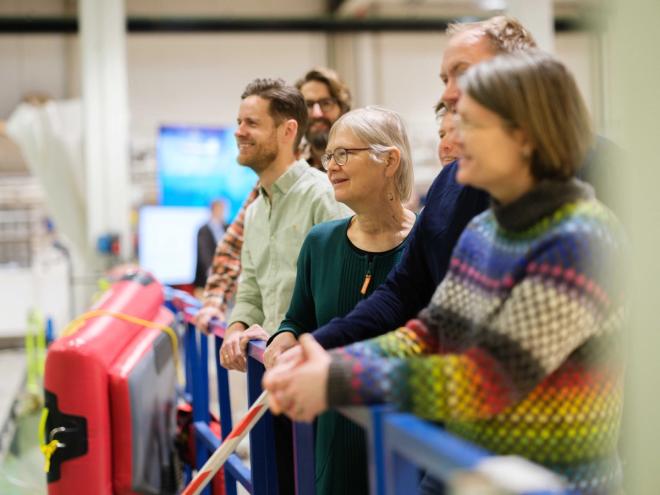
Talk to the team behind SIMA
We work close to the engineers who use SIMA and the regulations their projects have to meet. Ask us before you decide.
sima.contact@sintef.no